Carnegie Hall & Arturo Toscanini’s NBC Symphony Orchestra
Breaking the barrier between popular fretted instruments and the world’s premier classical conductors and concert halls.
1936: First Banjoist with the New York Philharmonic
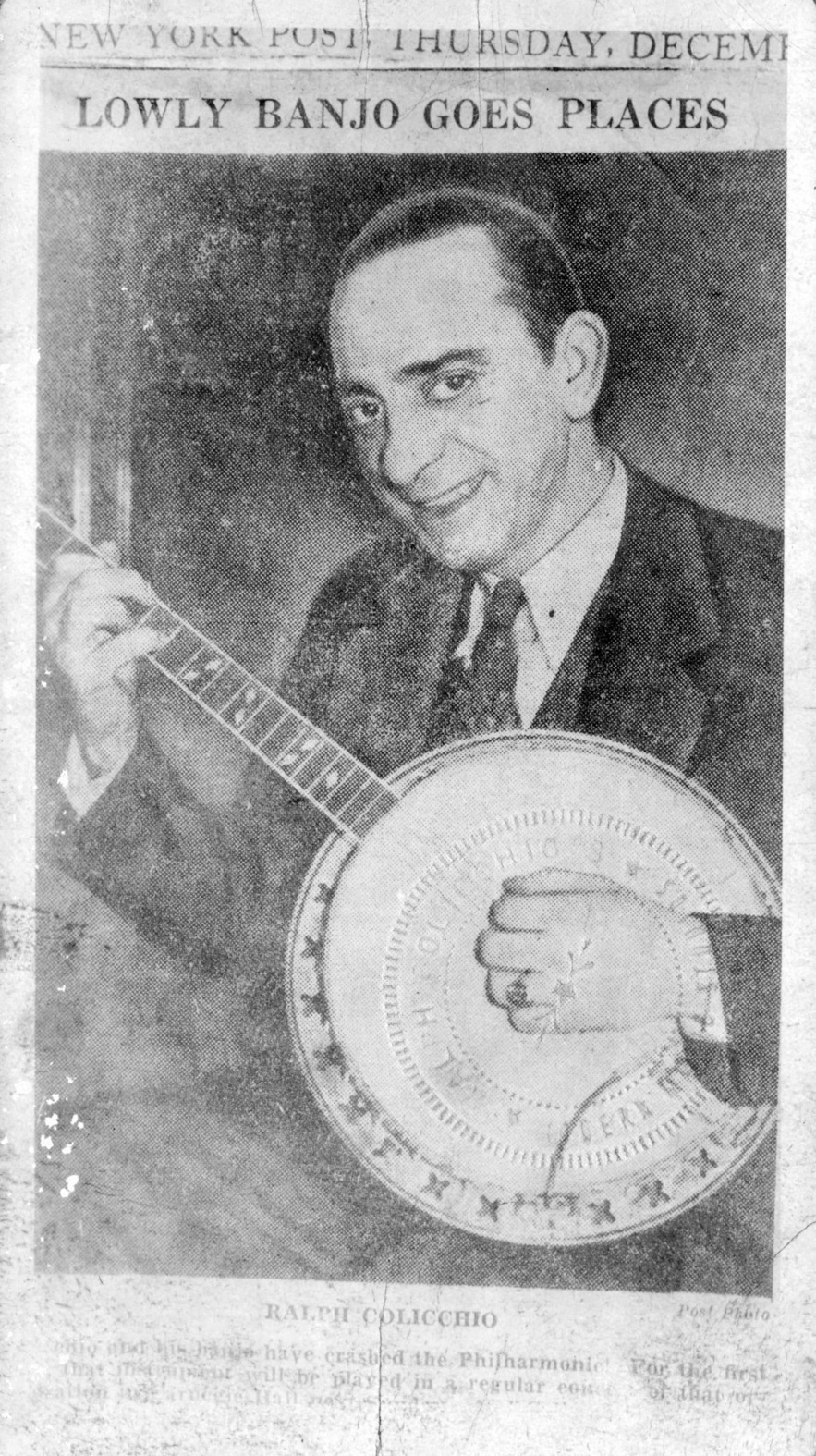
During the 1920s and 1930s, symphony orchestras rarely welcomed popular dance-band instruments onto the concert stage. In 1936, Ralph Colicchio shattered that divide when he was selected to perform as banjo soloist in a regular subscription concert with the New York Philharmonic at Carnegie Hall.
The milestone drew feature coverage from the New York Post under the headline “LOWLY BANJO GOES PLACES”, noting that for the first time in the orchestra’s history, the banjo would take its place in a regular Philharmonic concert at Carnegie Hall. In the accompanying Post portrait, Colicchio holds his ornate, pearl-inlaid 19-fret tenor banjo fitted with a custom-stamped calfskin head bearing his own name.
Beyond the New York Philharmonic, Colicchio was regularly called upon as a classical mandolin and guitar specialist for major symphonic works requiring fretted-string color, including performances of Gustav Mahler’s Symphony No. 7 and Das Lied von der Erde under conductors such as Bruno Walter.
January 31, 1943: Live Broadcast with Arturo Toscanini (Studio 8-H)
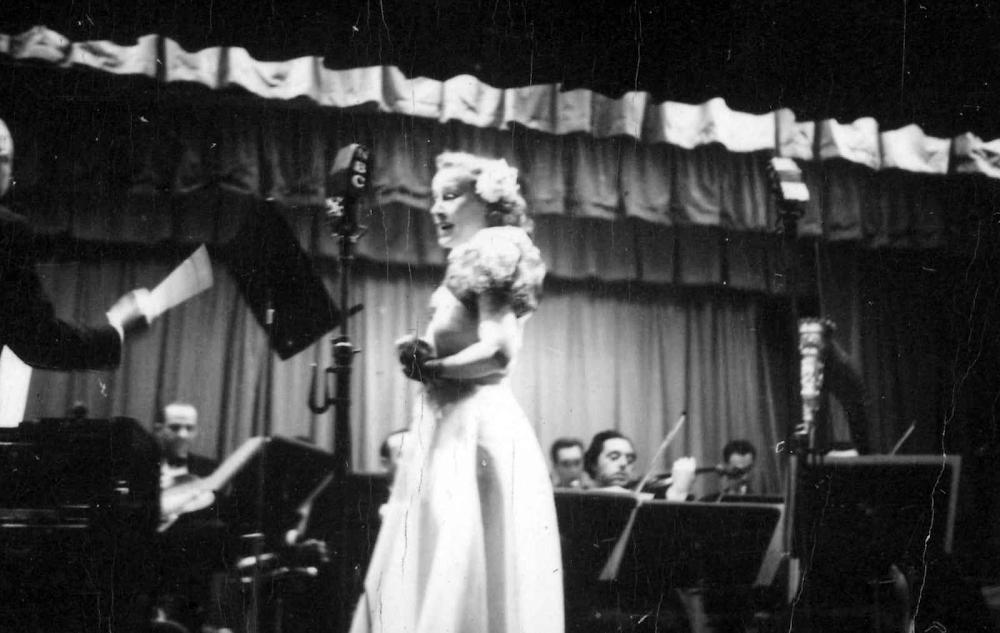
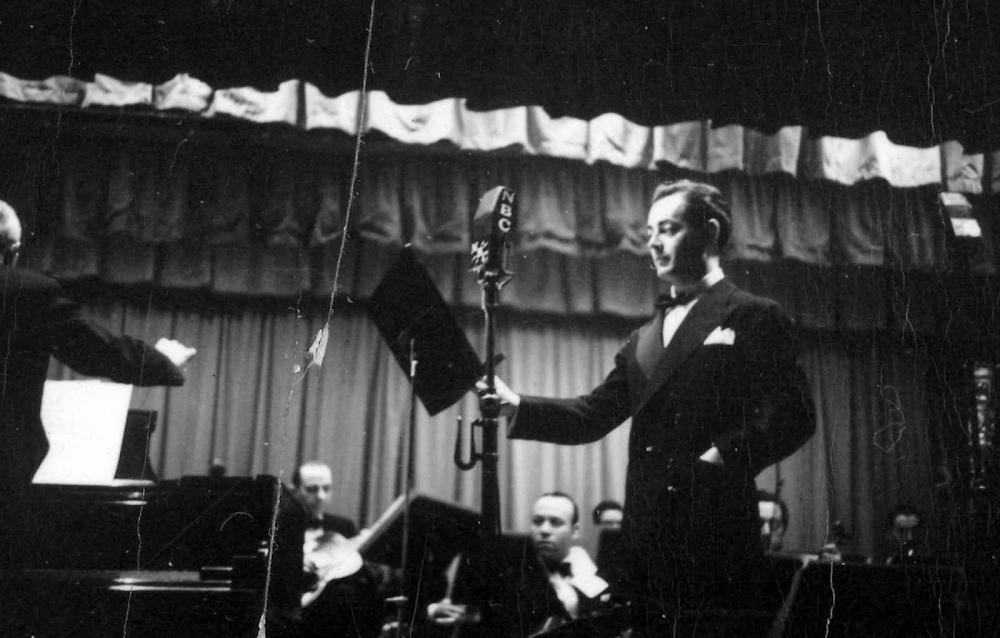
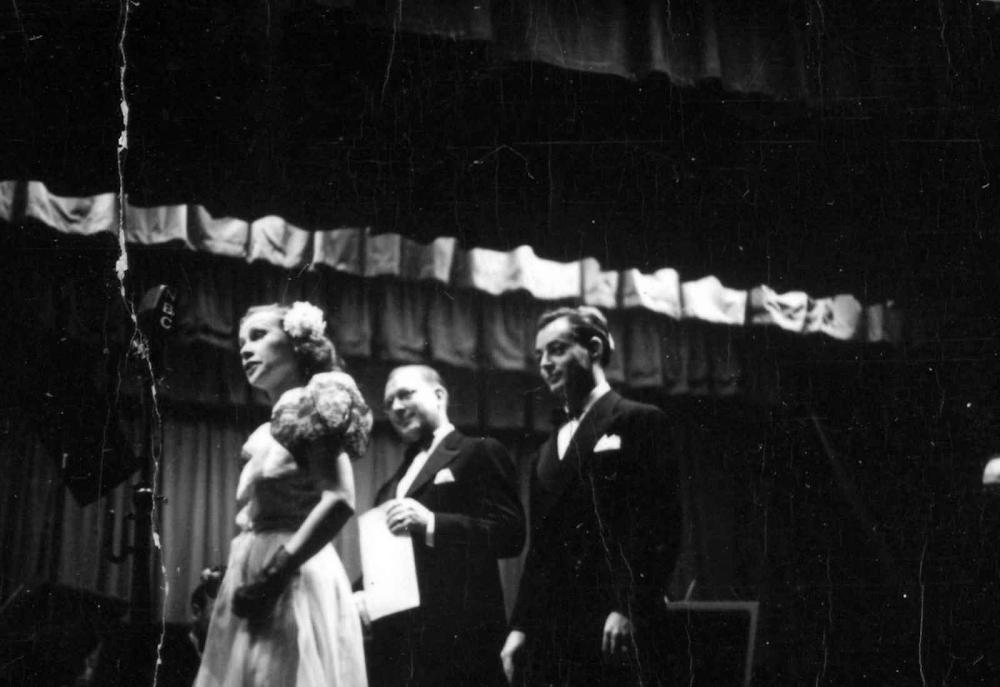
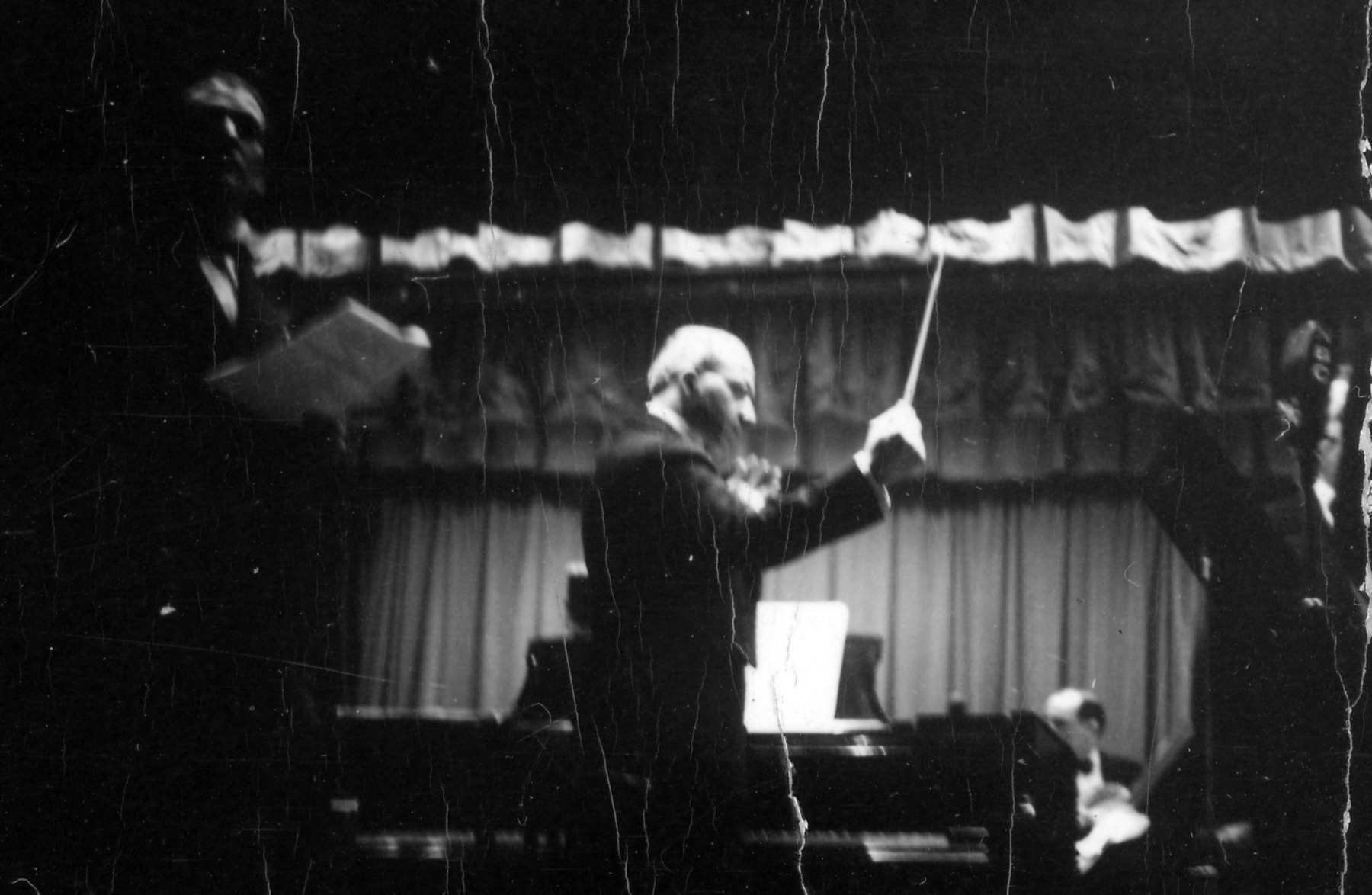
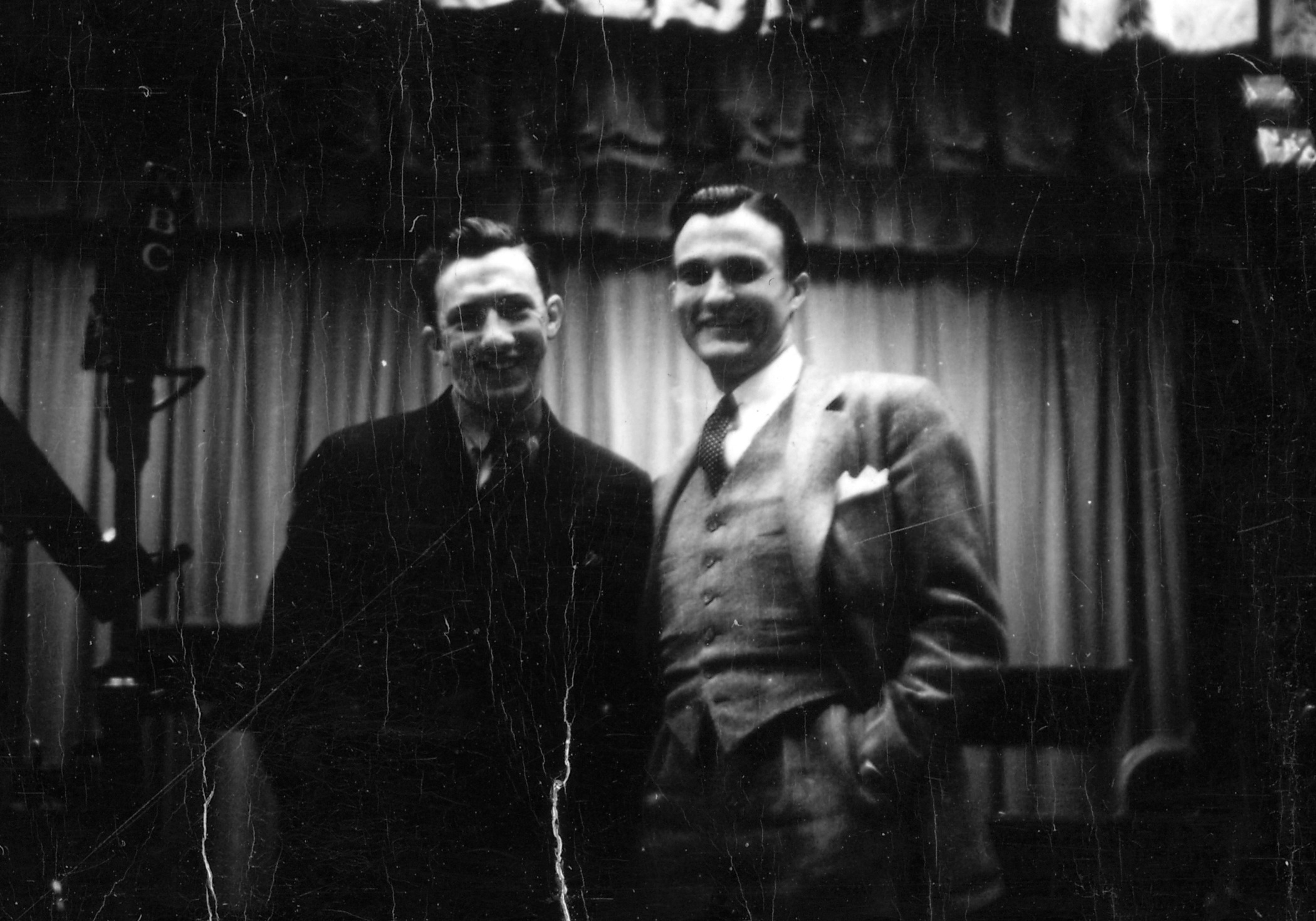
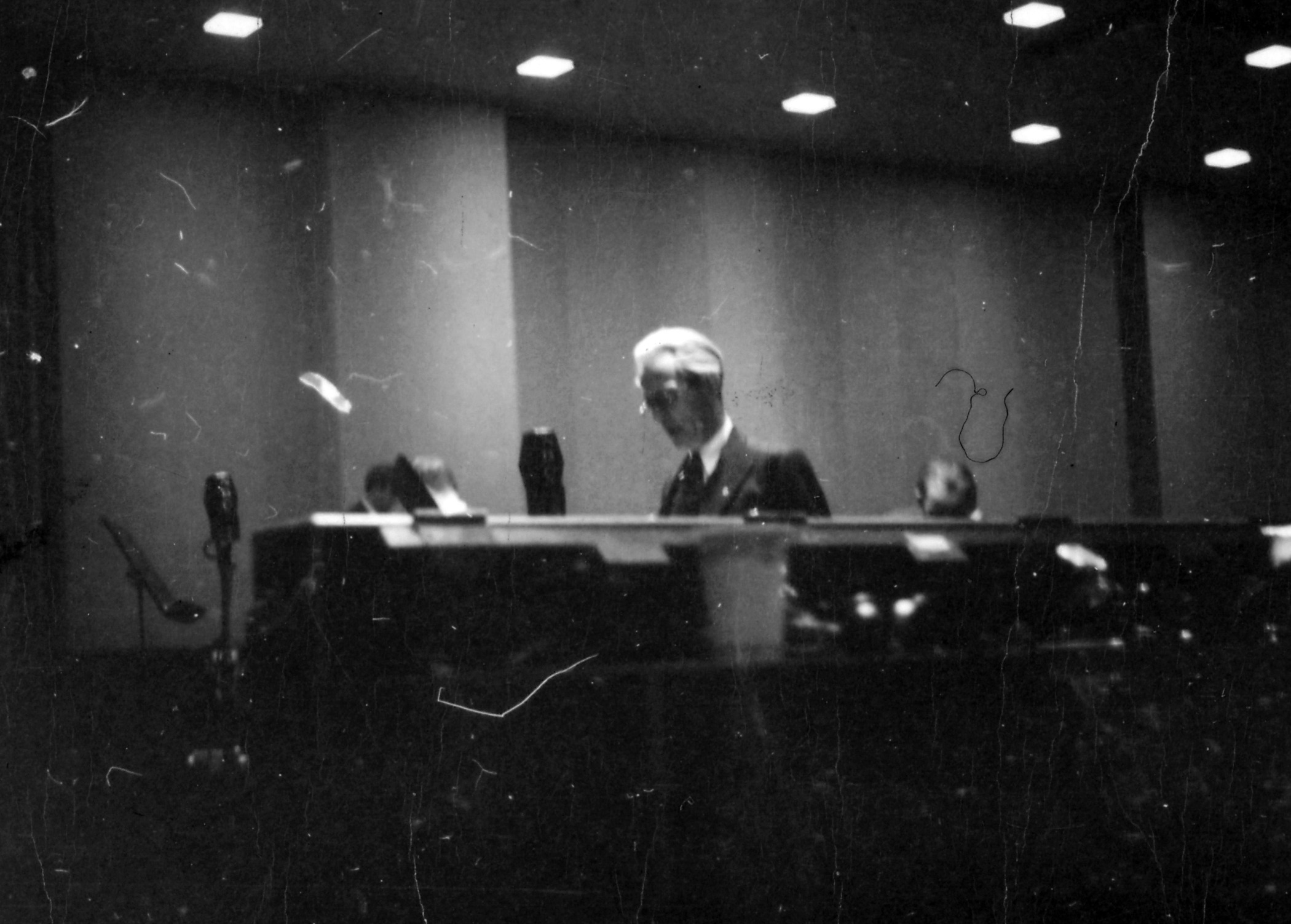
During the 1940s and early 1950s, Colicchio performed on acoustic guitar and mandolin with Arturo Toscanini’s NBC Symphony Orchestra. Rare candid photographs preserved in the Colicchio family archive capture the historic January 31, 1943 wartime live broadcast from NBC’s Studio 8-H in Rockefeller Center, featuring Act III’s Trio (“Qui posa il fianco”) from Giuseppe Verdi’s opera I Lombardi alla prima crociata.
- Conductor: Maestro Arturo Toscanini
- Vocal Soloists: Soprano Vivian Della Chiesa (Giselda), Tenor Jan Peerce (Oronte), and Bass Nicola Moscona (The Hermit)
- Orchestra & Announcer: Concertmaster Mischa Mischakoff (solo violin), Ralph J. Colicchio (acoustic archtop guitar), and NBC’s legendary announcer Ben Grauer alongside NBC Music Division Director Samuel Chotzinoff.
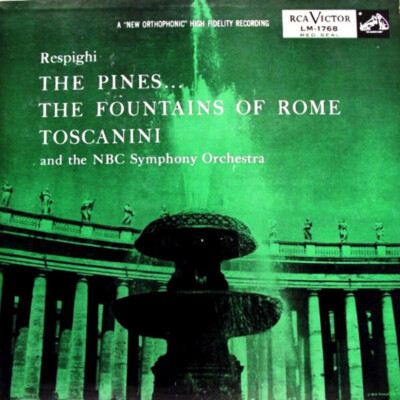
1953: Respighi’s The Pines of Rome & “Bravo, Maestro!”
In March 1953, Toscanini and the NBC Symphony Orchestra gathered at Carnegie Hall to record Ottorino Respighi’s symphonic masterpiece The Pines of Rome for RCA Victor Red Seal (catalog LM-1768). Respighi’s famous third movement, “The Pines of the Janiculum” (I pini del Gianicolo), calls for a delicate, shimmering solo mandolin part to evoke a moonlit Roman night alongside the nightingale recording, piano, harp, and strings.
Because symphony orchestras did not retain a full-time mandolinist on salary, Toscanini called upon Manhattan’s premier fretted-instrument virtuoso: Ralph J. Colicchio. After hearing Colicchio’s luminous mandolin performance, the famously exacting Maestro paid him the ultimate compliment: “Bravo, maestro!”
Collaborations with Morton Gould & Symphony Pops
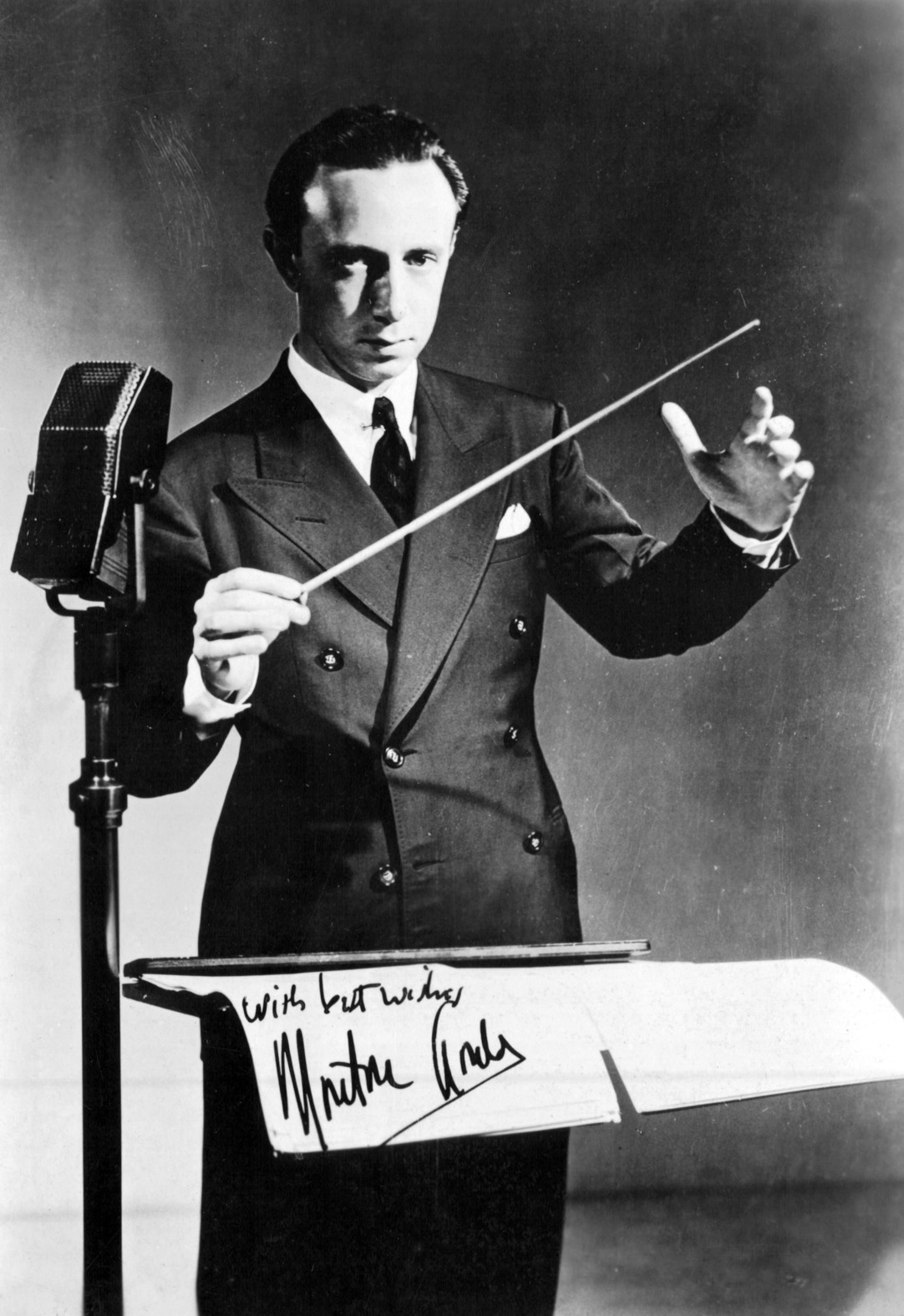
Colicchio’s ability to blend jazz-age rhythmic drive with classical sight-reading made him a trusted colleague of Pulitzer Prize-winning American composer, pianist, and conductor Morton Gould. Throughout the 1930s and 1940s, Gould’s American Symphonettes and network radio broadcasts on NBC and CBS integrated American jazz and folk rhythms into symphonic ensembles—relying on versatile Manhattan studio masters like Colicchio who could switch effortlessly between banjo, guitar, and mandolin.