Biography, Musical Dynasty & Technical Mastery
From early violin lessons in Bay Ridge, Brooklyn, to redefining 4-string tenor banjo technique across New York’s top studios, stages, and conservatories.
Early Years in Bay Ridge & Accidental Switch to Banjo
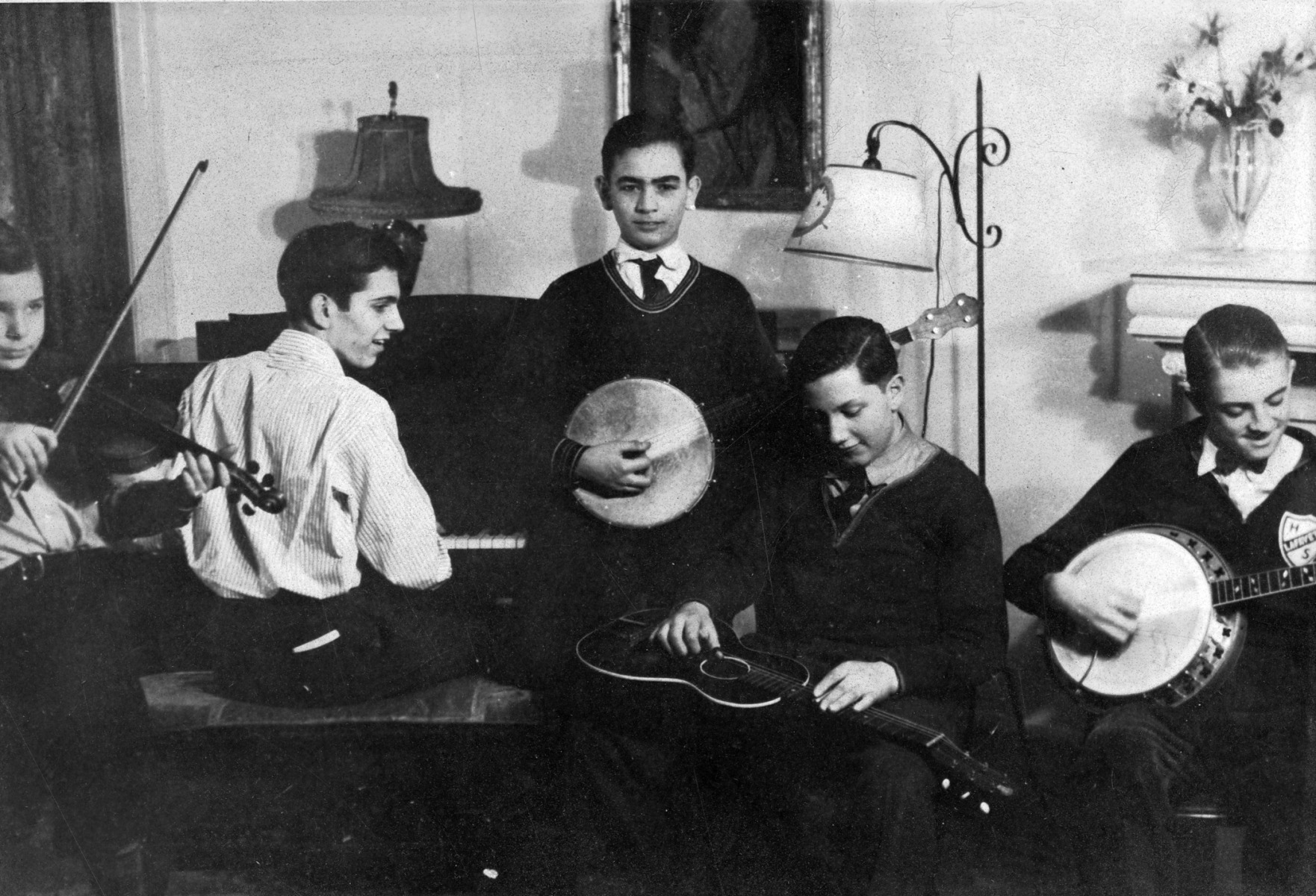
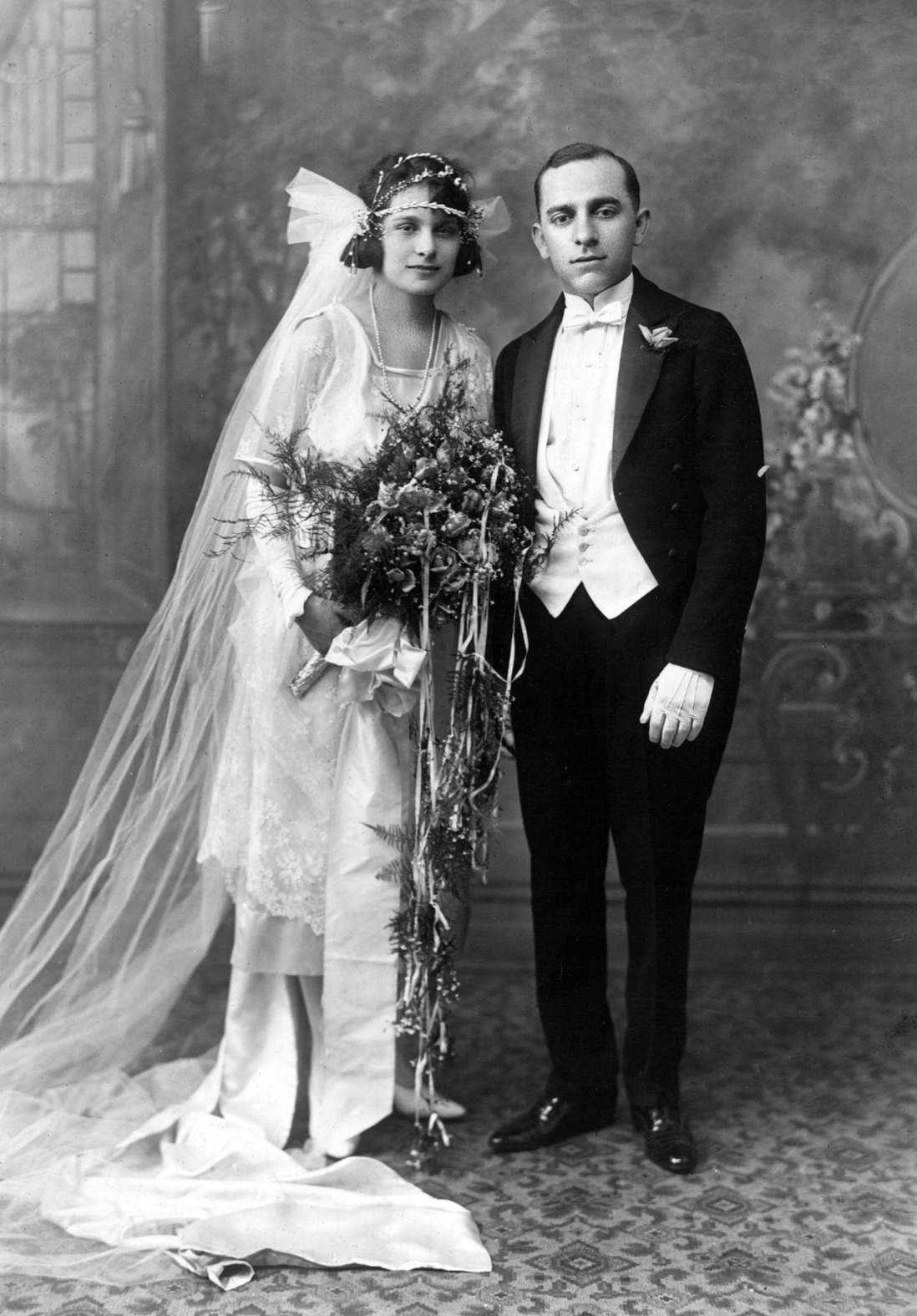
Ralph J. Colicchio was born on March 27, 1896, and raised in Bay Ridge, Brooklyn, where he also met his wife, Frances DiNallo (Filomena). His musical journey began at age 14 on the violin, playing at neighborhood parties before landing his first professional work cueing live music for silent motion pictures in a Connecticut theater.
His legendary banjo career started almost by accident. Seeking the right musical mood for scenes in The Birth of a Nation, Colicchio picked up a banjo—delighting the theater owner. Even then, he still viewed himself primarily as a violinist until one evening while performing with a small orchestra in a New Jersey restaurant. During a break, he picked up a banjo and began demonstrating his single-string agility. The group’s pianist was so stunned that he immediately offered Ralph a recording date—and told him to put the violin away.
By the peak of the 1920s “Banjo Craze,” Colicchio had become one of Manhattan’s highest-paid first-call session aces. In 1923—when an average industrial worker earned $3.50 to $4.00 for an entire day—a top New York soloist like Colicchio earned $20 to $40 per three-hour phonograph session and $75 to $90+ per week under AFM Local 802 scale in Times Square pit orchestras, supplemented by flat fees and royalties from instructional books retailing at $0.75 to $2.00.
Port Jervis & The Joyland Dance Palace (1934)
In 1932–1933, drawn by fellow musicians who raved about the scenic Delaware River and Catskills gateway region, Colicchio purchased a home and property in Cahoonzie (near Sparrowbush, just outside Port Jervis, New York).
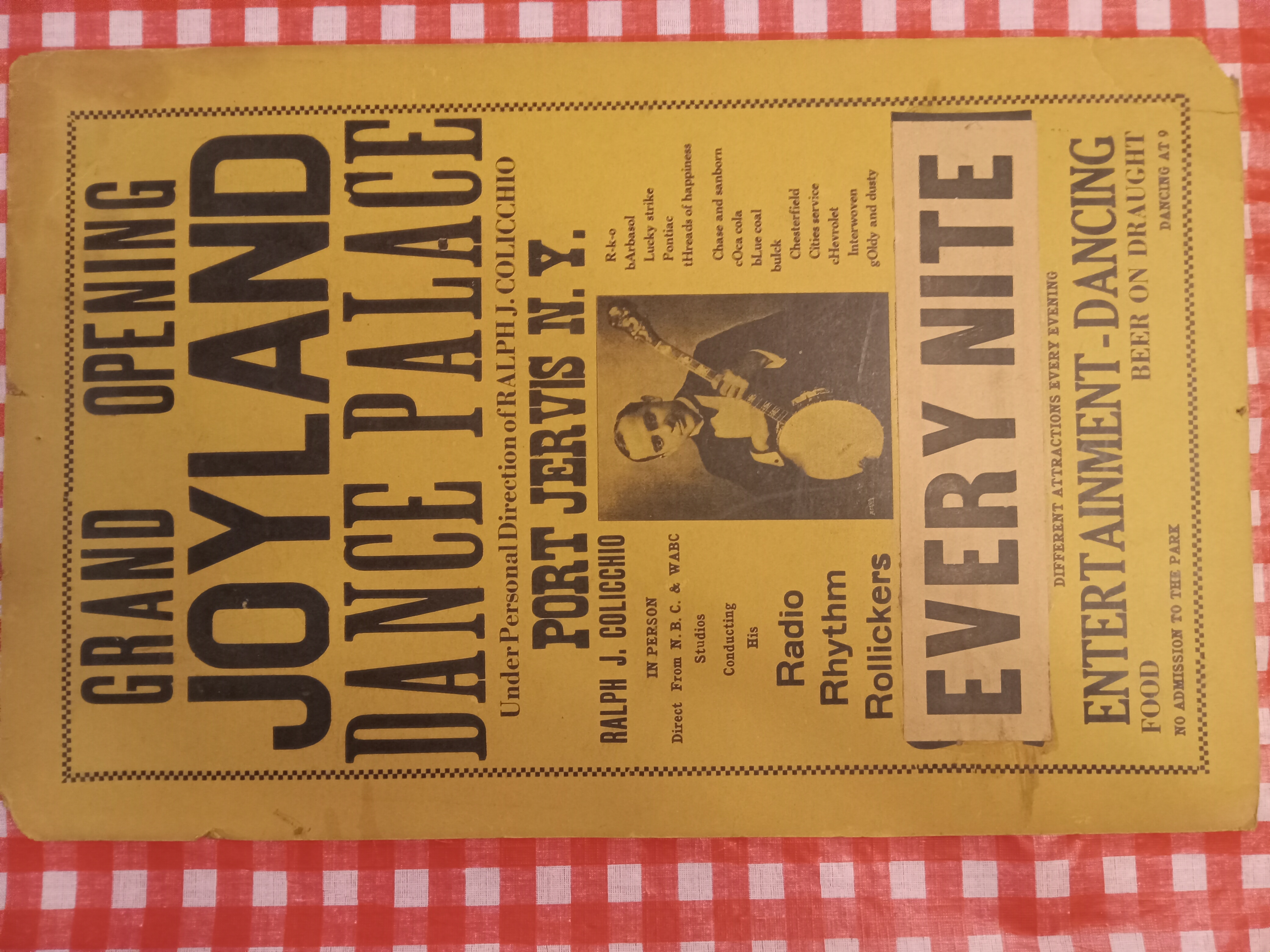
Bringing his big-city network pedigree to the Tri-State region, he personally directed the Grand Opening of the Joyland Dance Palace in Port Jervis on Saturday, June 30, 1934, conducting his own ensemble, his Radio Rhythm Rollickers. To promote the pavilion, he designed a clever yellow handbill listing 14 of his national NBC and WABC radio sponsors—including Lucky Strike, Chase and Sanborn, Coca-Cola, Cities Service, Chevrolet, and Blue Coal—with bolded letters running vertically down the center to spell R-A-L-P-H C-O-L-I-C-C-H-I-O.
Music ran through the entire household: their son, Michael Colicchio, became a composer and staff pianist for CBS, and their daughter-in-law served as staff harpist for the American Broadcasting Company (ABC).
The Colicchio Brothers: Anthony “Tony” Colicchio
Ralph’s brother, Anthony (“Tony”) Colicchio, was also a celebrated New York banjoist, guitarist, and arranger. According to Tony’s son, Michael Colicchio, Tony was hailed as a “banjo king in the Dixieland era,” performing on Manhattan’s famed 52nd Street jazz clubs alongside legends like Benny Goodman and Artie Shaw. In later years, Tony transitioned to guitar, serving as a staff guitarist on WOR radio and television, recording motion picture soundtracks at studios on Long Island, and publishing major banjo folios such as Witmark Theme Songs for the Tenor Banjo.
The Ralph Colicchio Technique & Instrument Physics
While most 1920s dance-band banjoists focused on rhythmic chord strumming, Colicchio treated the 19-fret, four-string tenor banjo (tuned in fifths: C3 – G3 – D4 – A4, identical to a viola) as a solo concert instrument. Modern trad-jazz virtuosos still regard his manuals—Ralph Colicchio’s Tenor Banjo Method, Modern Graded Studies, 100 Breaks & Strokes, and Modern Method of Improvising—as the ultimate physical training regimen.
1. Full-Fretboard Mobility & Wide Stretches
Because fifths tuning spans wider intervals per fret than guitar tuning, playing continuous scales without open strings requires stretching the left hand across four to five frets simultaneously. Colicchio forbade open-string “safety nets,” demanding rapid symmetrical shifts up to the highest frets.
2. Heavy-Gauge Strings (100+ lbs Tension)
An official Artist’s Choice endorser for Epiphone Masterbilt and Electar instruments, Colicchio favored custom heavy strings (.011/.012 high A down to a wound .034/.036 low C). Generating over 90–100 lbs of tension on steel-reinforced necks, these rigid wires eliminated “string flop” and fret buzz.
3. Extra-Heavy Triangular Plectrums
To drive stiff heavy-gauge wire without flex, he used 1.2mm to 1.5mm extra-heavy genuine tortoiseshell or hardened celluloid triangular picks. This unyielding attack unlocked his sustained violin-like single-string tremolo and crisp off-beat syncopation decades before bluegrass existed.
Tenor Banjo (Colicchio) vs. 5-String Bluegrass Banjo (Scruggs)
Musicologists frequently note that Colicchio’s blazing, off-beat single-string runs on pieces like “Go Go!” and “Pepper & Salt” anticipated the driving rhythmic punch of bluegrass picking twenty years before Earl Scruggs popularized the 5-string roll in the 1940s:
| Musical Element | 4-String Tenor Banjo (Ralph Colicchio) | 5-String Resonator Banjo (Earl Scruggs) |
|---|---|---|
| Standard Tuning | C3 – G3 – D4 – A4 (Tuned in fifths, like a viola) | g4 – D3 – G3 – B3 – D4 (Open G with short drone string) |
| Right-Hand Method | Extra-heavy flatpick (plectrum); rapid alternate down-up strokes & tremolo | Three-finger picking (thumbpick + two metal fingerpicks) |
| Neck & Scale | 19 frets (21–23 inch scale); wide four-to-five fret left-hand stretches | 22 frets (longer scale); pattern-driven rolling chords |
| Primary Repertoire | 1920s Hot Jazz, Ragtime Novelty Solos, Radio & Symphonic Crossover | Bluegrass, Old-Time & American Country Music |
Educator & Mentor
Alongside his publishing work for Carl Fischer, Robbins Music, and Irving Berlin Music, Colicchio taught private students in New York and Port Jervis, passing on left-hand independence, chord-melody voicing, and studio discipline to younger generations of fretted-instrument players.