Broadway’s The Boy Friend & Golden Age Radio
From coast-to-coast NBC broadcasts with B. A. Rolfe’s Lucky Strike Dance Orchestra (1928–1931) to nightly solo encores during Julie Andrews’s 1954–1955 Broadway debut.
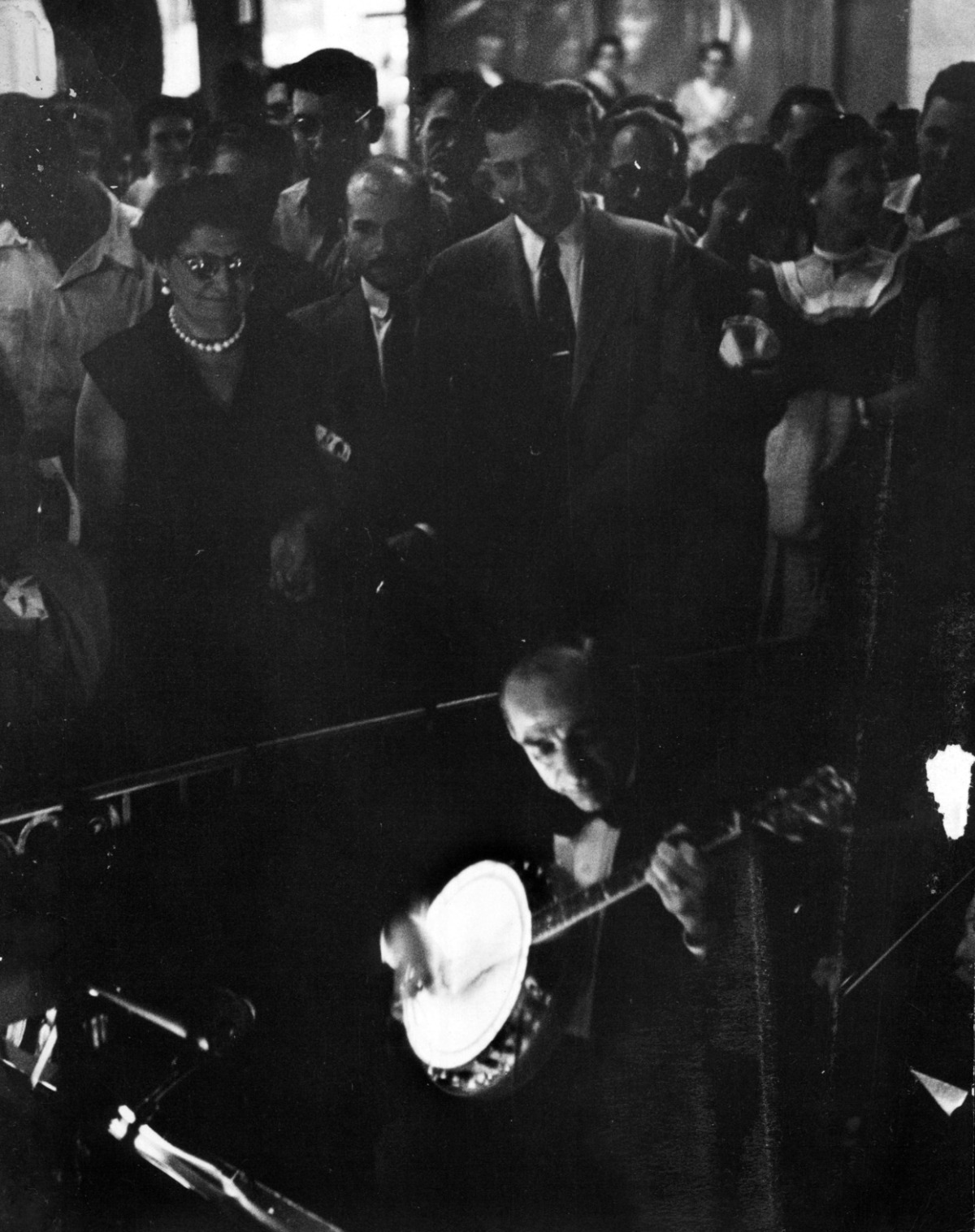
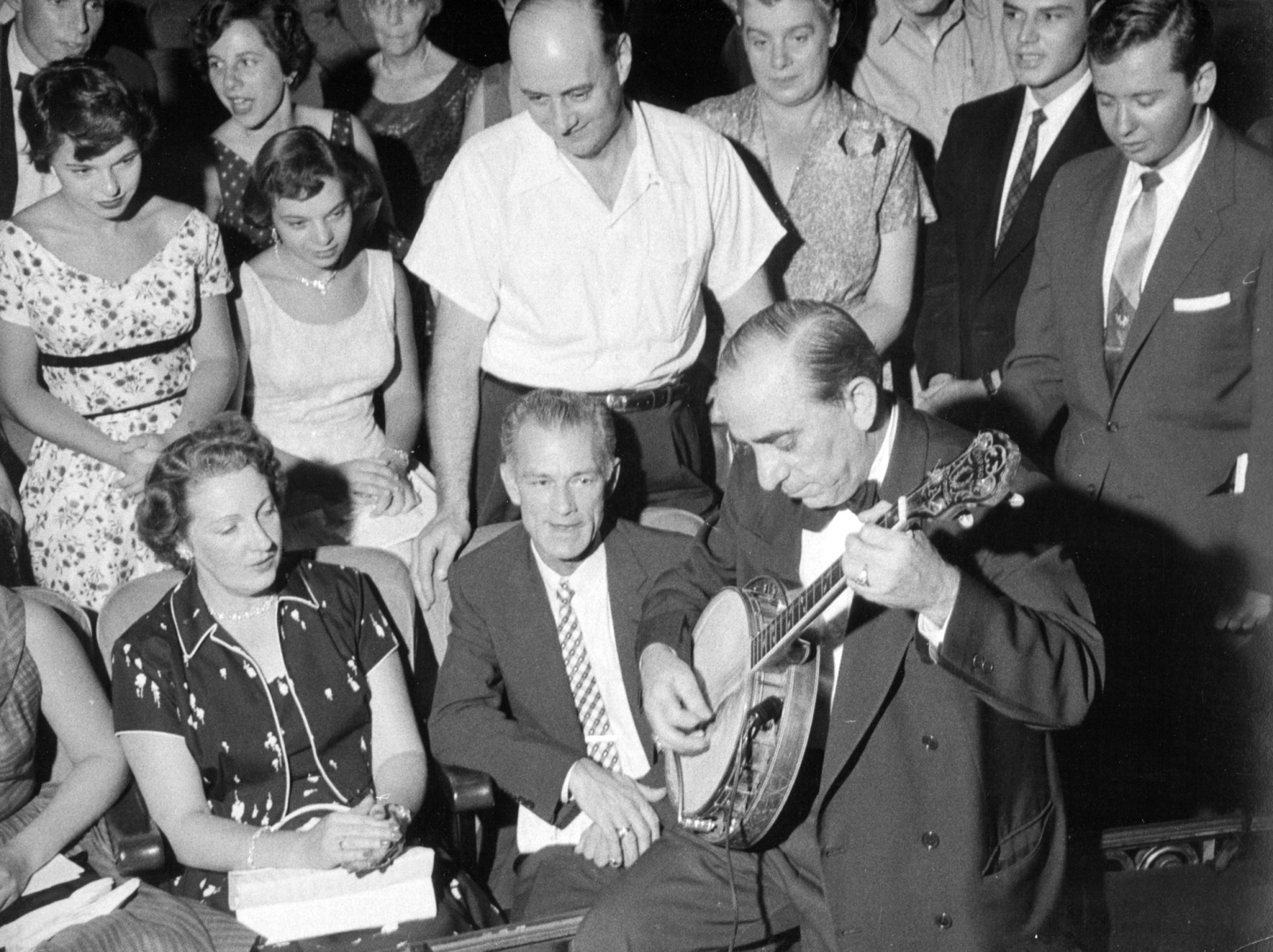
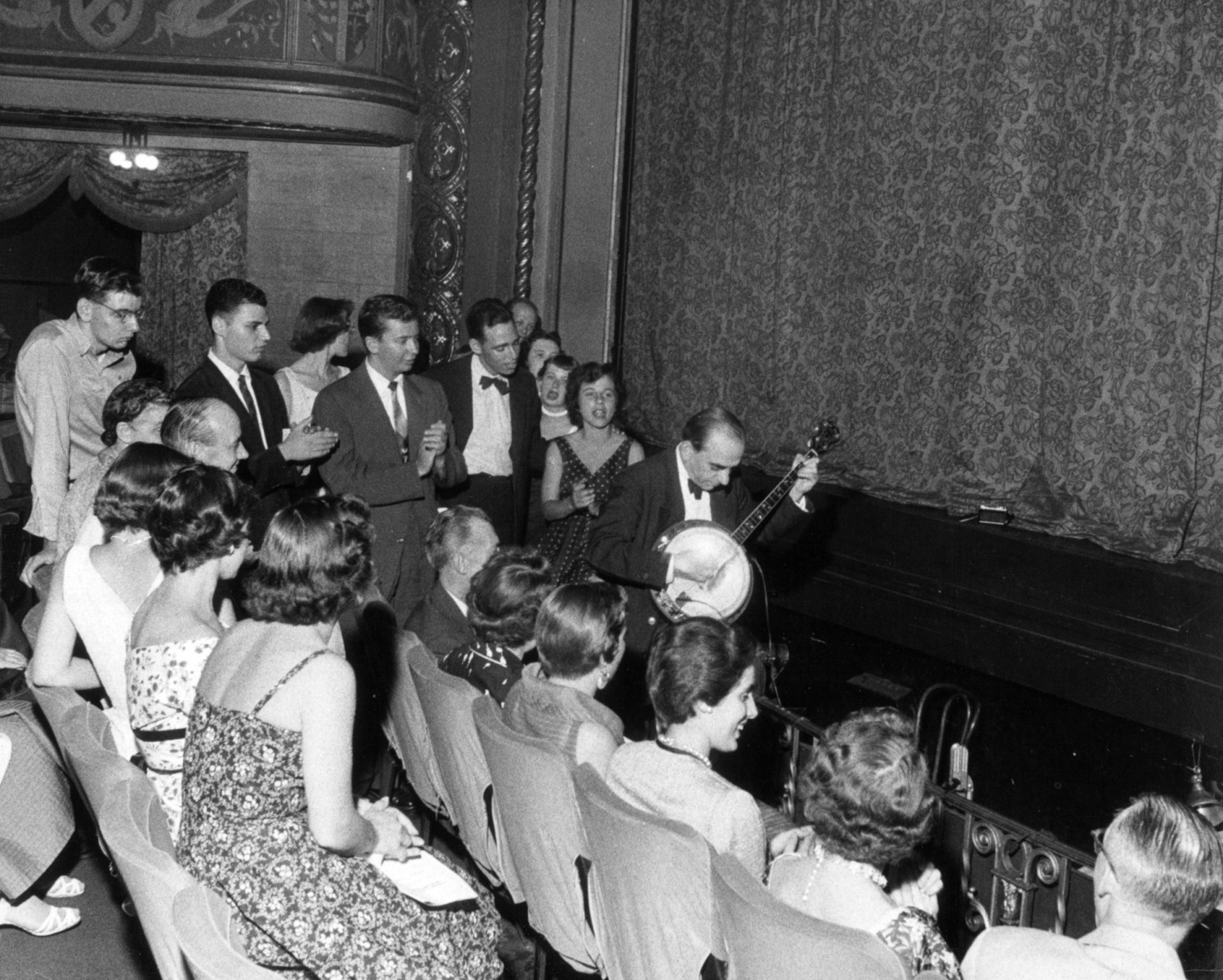
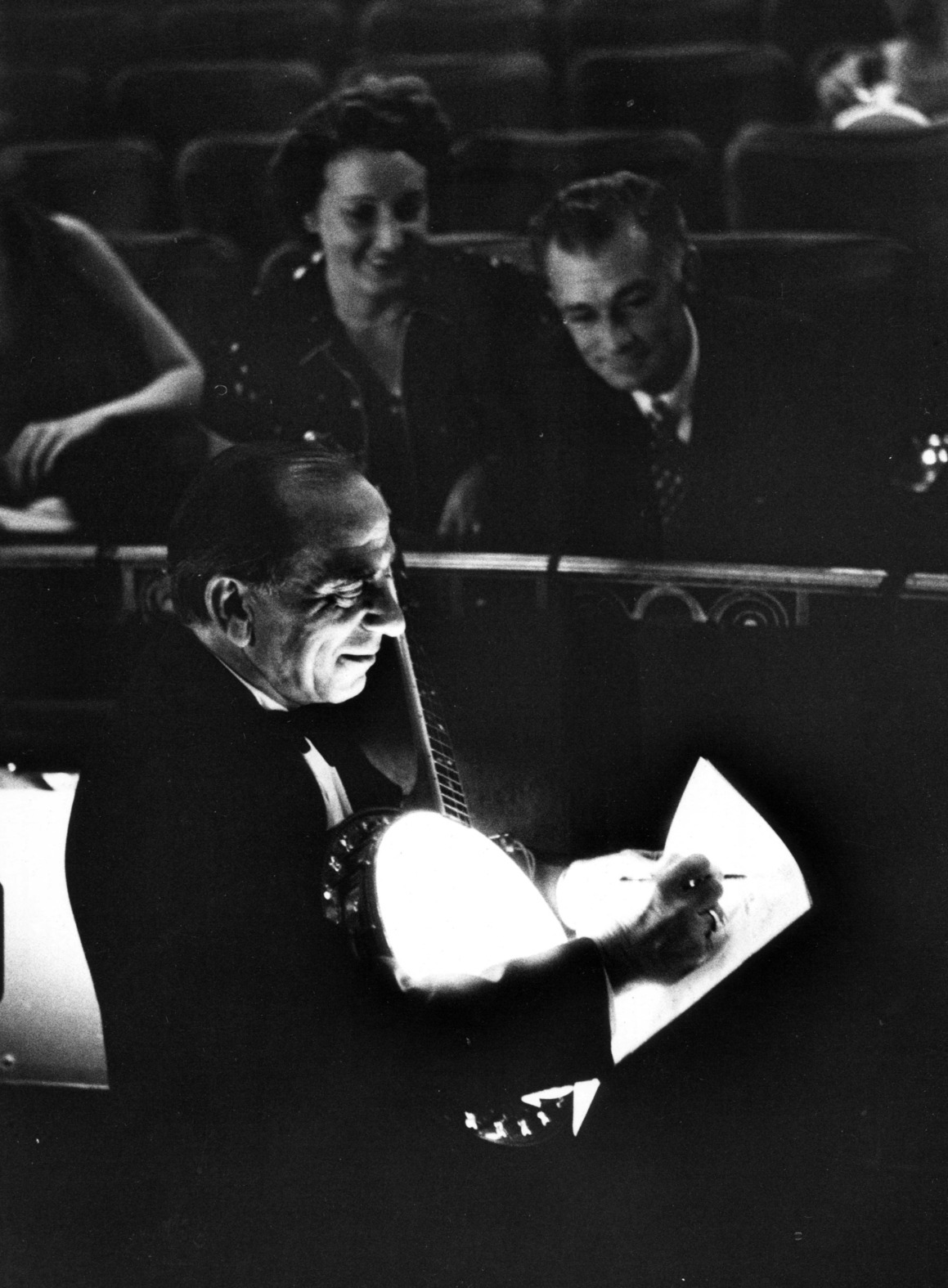
1954–1955: Broadway’s The Boy Friend & Demand Pit Encores
When Sandy Wilson’s Roaring Twenties musical comedy The Boy Friend opened on Broadway at the Royale Theatre (today the Bernard B. Jacobs Theatre) on September 30, 1954, it made theatrical history by introducing a 18-year-old Julie Andrews in her American stage debut. To give the 1920s pastiche its authentic flapper-era sparkle, producer Cy Feuer hired New York’s premier tenor banjo virtuoso, Ralph J. Colicchio, to anchor the pit orchestra under conductor Anton Coppola.
When rehearsals began, Feuer handed Colicchio a bare-bones score and said, “Here’s a part. You do something with it.” Colicchio improvised so much dazzling period counterpoint that when he eventually retired from the production in March 1956, he had to transcribe all of his original improvisations directly into the official conductor’s score.
1928–1931: B. A. Rolfe & The Lucky Strike Dance Orchestra
At the height of Golden Age radio, Colicchio was a featured rhythm guitarist and banjoist in B. A. Rolfe and His Lucky Strike Orchestra. Led by trumpet virtuoso and vaudeville pioneer B. A. Rolfe, the New York ensemble headlined NBC’s coast-to-coast program The Lucky Strike Dance Hour from 1928 through 1931—performing more than 7,400 dance tunes across 468 broadcasts.
Rare surviving 16mm archival footage bearing the custom title card “Radio’s War of Rythm Featuring Lucky Strike Dance Orchestra” captures a live studio setup from that exact 1928–1931 window. Seated front and center in a dark jacket and tie, right alongside the woodwind section and behind the featured dancer, is Ralph J. Colicchio playing his acoustic guitar—documenting the exact historical moment when top New York rhythm players transitioned from tenor banjo to archtop acoustic guitar.
Broadway Pit Shows, Network Radio & Television Credits
Across four decades in Manhattan, Colicchio’s versatility across banjo, guitar, mandolin, lap steel, and violin placed him in the pit and studio bands of America’s biggest stars:
- The Jackie Gleason Show (1954): Personally coached the June Taylor Dancers to play the banjo for a televised production number. After just six rehearsals, the routine was spotless—prompting Jackie Gleason to shout, “Wow. This’ll kill them!”
- Eddie Cantor’s NBC Radio Band (1932): Performed alongside future swing legends Benny Goodman, Tommy Dorsey, and Jimmy Dorsey, and appeared regularly on The Chase and Sanborn Hour and Time to Smile.
- Major Broadway Productions: In addition to The Boy Friend (1954–1956), Colicchio played in the pit orchestras for The Threepenny Opera, Call Me Madam, Wish You Were Here, Arms and the Girl, By Jupiter, Banjo Eyes, Mrs. Patterson, and Common Ground (where he was the sole musician in the show).
- Flagship Sponsored Radio Series: Featured on Cities Service Concerts, RKO Theatre of the Air, The Interwoven Pair, The Gold Dust Twins, and national broadcasts for Coca-Cola, Chevrolet, Buick, Pontiac, Chesterfield, Barbasol, Blue Coal, and Threads of Happiness.